
- Gayways Ltd
- 213-217 Watford Road
- Harrow
- Middlesex
- London
- HA1 3UA
- 020 8908 4744
- Mon- Sat 9.00 - 5pm (Sat Close at 2pm)
- hello@gaywaysltd.co.uk
- View on map
-
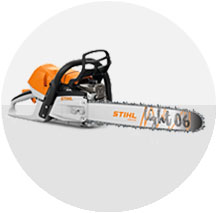
Sawing & Cutting Power through wood, stone & metal
All - Sawing & Cutting View
 EXAMPLE PROMO
Go to Website > Menus to update
SHOP THE TREND -
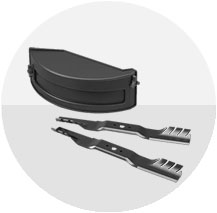
Lawn Mowing Smart mowing power for every lawn
All - Lawn Mowing View
 EXAMPLE PROMO
Go to Website > Menus to update
SHOP THE TREND -
Trimming & Clearing Trim, clear & clean with total power
All - Trimming & Clearing View
 EXAMPLE PROMO
Go to Website > Menus to update
SHOP THE TREND -
Soil, Turf & Groundcare Ground power for prep, care & control
All - Soil, Turf & Groundcare View
 EXAMPLE PROMO
Go to Website > Menus to update
SHOP THE TREND -
Cleaning & Power Total power for cleaning & site tasks
All - Cleaning & Power View
 EXAMPLE PROMO
Go to Website > Menus to update
SHOP THE TREND -
Battery Powered Equipment Cordless power without compromise
All - Battery Powered Equipment View
 EXAMPLE PROMO
Go to Website > Menus to update
SHOP THE TREND -
Oil, Fuel, Lubrication & Cleaning Fuel, protect & extend tool life
All - Oil, Fuel, Lubrication & Cleaning View
 EXAMPLE PROMO
Go to Website > Menus to update
SHOP THE TREND -
Service Kits Everything needed for a proper service
All - Service Kits View
 EXAMPLE PROMO
Go to Website > Menus to update
SHOP THE TREND -
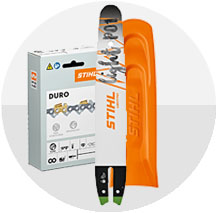
Cutting Consumables Chains, blades & line for clean cutting
All - Cutting Consumables View
 EXAMPLE PROMO
Go to Website > Menus to update
SHOP THE TREND -
Garden & Forestry Hand Tools Essential hand tools for garden & forest
All - Garden & Forestry Hand Tools View
 EXAMPLE PROMO
Go to Website > Menus to update
SHOP THE TREND -
Personal Protecting Clothing Head-to-toe protection for the job
All - Personal Protecting Clothing View
 EXAMPLE PROMO
Go to Website > Menus to update
SHOP THE TREND -
Watering Smart watering for total control
All - Watering View
 EXAMPLE PROMO
Go to Website > Menus to update
SHOP THE TREND -
Merchandise Lifestyle gear, gifts & outdoor fun
All - Merchandise View
 EXAMPLE PROMO
Go to Website > Menus to update
SHOP THE TREND -
Arborist & Climbing Gear Climbing, rigging & access essentials
All - Arborist & Climbing Gear View
 EXAMPLE PROMO
Go to Website > Menus to update
SHOP THE TREND









Mon-Fr 9a.m.-6p.m.
How to Choose the Right Chainsaw in the UK

How to Choose the Right Chainsaw in the UK
Choosing the right chainsaw depends on what you plan to cut, how often you will use it, and whether you prefer petrol or battery power. Chainsaws come in different sizes and power levels, and selecting the correct model will improve safety, comfort, and cutting performance.
This guide explains the key points UK homeowners and garden users should consider before buying a chainsaw.
What Will You Use the Chainsaw For?
Before selecting a chainsaw, it is important to understand the type of work you need it for.
If you only plan to prune branches or cut small logs occasionally, a lightweight chainsaw is usually the best option. If you will be cutting firewood regularly or working with thicker timber, you may need a more powerful model with a longer guide bar.
If you are buying a chainsaw for heavier work, it is important to choose a model designed for sustained use. A chainsaw that is too small will struggle and wear faster, while a chainsaw that is too large may be difficult to control safely.
Battery vs Petrol Chainsaws
Battery chainsaws have improved significantly in recent years and are now suitable for many domestic garden tasks.
Battery chainsaws are quieter, easier to start, and require less maintenance. They are ideal for residential areas and gardens where noise reduction is important.
Petrol chainsaws are often preferred for more demanding work because they provide strong cutting power and long runtime without the need to recharge batteries. They are also suitable for remote locations where charging is not practical.
For many UK gardens, battery chainsaws are now a practical and reliable option. Petrol chainsaws remain the better choice for frequent heavy cutting or professional use.
Choosing the Correct Bar Length
The guide bar length affects what size timber you can cut and how manageable the chainsaw feels.
A shorter bar is easier to control and is ideal for pruning and light cutting. A mid-range bar is suitable for general garden work and firewood cutting. Longer bars are designed for larger timber and more advanced cutting tasks.
It is important not to buy a chainsaw with an oversized bar if you do not need it, as it adds weight and makes the tool harder to handle.
Weight, Balance and Comfort
Comfort and balance are important factors when choosing a chainsaw, especially if you will be using it for more than a few minutes at a time.
When comparing chainsaws, consider the overall weight and how it feels in your hands. A well-balanced chainsaw reduces strain and makes it easier to cut accurately.
Anti-vibration systems can also make a significant difference during longer cutting sessions.
Safety Features to Look For
Chainsaws must be used responsibly and safely. When choosing a model, make sure it includes essential safety features such as a chain brake and hand protection.
Kickback protection is also important, particularly for new users. Kickback can occur if the tip of the guide bar makes contact with the wood or another object.
Always use correct protective equipment, including eye protection, hearing protection, gloves, and appropriate clothing.
Common Mistakes People Make When Buying a Chainsaw
Many buyers choose a chainsaw based on power alone. This often leads to purchasing a model that is heavier than necessary.
Another common mistake is buying a petrol chainsaw when a battery model would be more suitable for the garden environment. Battery models are often more convenient for homeowners.
Some buyers also overlook long-term maintenance requirements such as chain sharpening and servicing. Chainsaws require regular care to perform safely and efficiently.
Servicing and Maintenance Considerations
To keep a chainsaw running properly, regular maintenance is required. This includes checking chain tension, sharpening the chain, inspecting the guide bar, and keeping the air filter clean on petrol models.
If you plan to use your chainsaw regularly, it is worth considering access to servicing support and genuine spare parts. Proper servicing extends the lifespan of the tool and improves safety.
Frequently Asked Questions
What size chainsaw is best for a small UK garden?
A lightweight chainsaw with a shorter guide bar is usually best for pruning and light cutting in small gardens.
Are battery chainsaws powerful enough for domestic use?
Yes. Modern battery chainsaws are powerful enough for many domestic cutting tasks, including branches and firewood.
Is petrol better than battery for chainsaws?
Petrol chainsaws provide strong continuous power and longer runtime, making them ideal for heavy cutting. Battery chainsaws are quieter and easier to maintain.
How often should a chainsaw chain be sharpened?
It depends on how frequently the chainsaw is used and what type of wood is being cut. A dull chain reduces performance and increases safety risks.
Do I need safety equipment to use a chainsaw?
Yes. Protective equipment is essential and should always be used when operating a chainsaw.
Final Advice
Choosing the right chainsaw is about selecting the correct size and power for your intended work. For many homeowners, battery chainsaws offer excellent performance with reduced noise and easier handling. Petrol chainsaws remain the better option for heavy cutting and regular professional use.
If you are unsure which type of chainsaw is right for your needs, expert advice can help ensure you choose a model that is safe, practical, and built to last.
- Gayways Ltd
- 213-217 Watford Road
- Harrow
- Middlesex
- London
- HA1 3UA
- 020 8908 4744
- Mon- Sat 9.00 - 5pm (Sat Close at 2pm)
- hello@gaywaysltd.co.uk
- View on map
© 2001 - 2026 Gayways LTD. Powered by CS-Cart and premium theme — © AB: UniTheme2
