
- Gayways Ltd
- 213-217 Watford Road
- Harrow
- Middlesex
- London
- HA1 3UA
- 020 8908 4744
- Mon- Sat 9.00 - 5pm (Sat Close at 2pm)
- hello@gaywaysltd.co.uk
- View on map
-
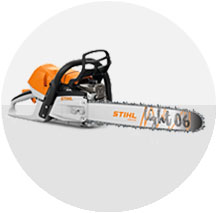
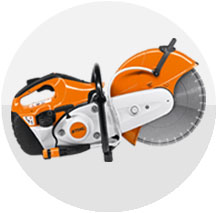
Sawing & Cutting Power through wood, stone & metal
All - Sawing & Cutting View
 EXAMPLE PROMO
Go to Website > Menus to update
SHOP THE TREND -
Lawn Mowing Smart mowing power for every lawn
All - Lawn Mowing View
 EXAMPLE PROMO
Go to Website > Menus to update
SHOP THE TREND -
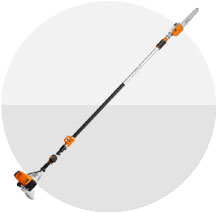
Trimming & Clearing Trim, clear & clean with total power
All - Trimming & Clearing View
 EXAMPLE PROMO
Go to Website > Menus to update
SHOP THE TREND -
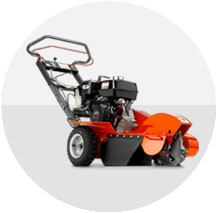
Soil, Turf & Groundcare Ground power for prep, care & control
All - Soil, Turf & Groundcare View
 EXAMPLE PROMO
Go to Website > Menus to update
SHOP THE TREND -
Cleaning & Power Total power for cleaning & site tasks
All - Cleaning & Power View
 EXAMPLE PROMO
Go to Website > Menus to update
SHOP THE TREND -
Battery Powered Equipment Cordless power without compromise
All - Battery Powered Equipment View
 EXAMPLE PROMO
Go to Website > Menus to update
SHOP THE TREND -
Oil, Fuel, Lubrication & Cleaning Fuel, protect & extend tool life
All - Oil, Fuel, Lubrication & Cleaning View
 EXAMPLE PROMO
Go to Website > Menus to update
SHOP THE TREND -
Service Kits Everything needed for a proper service
All - Service Kits View
 EXAMPLE PROMO
Go to Website > Menus to update
SHOP THE TREND -
Cutting Consumables Chains, blades & line for clean cutting
All - Cutting Consumables View
 EXAMPLE PROMO
Go to Website > Menus to update
SHOP THE TREND -
Garden & Forestry Hand Tools Essential hand tools for garden & forest
All - Garden & Forestry Hand Tools View
 EXAMPLE PROMO
Go to Website > Menus to update
SHOP THE TREND -
Personal Protecting Clothing Head-to-toe protection for the job
All - Personal Protecting Clothing View
 EXAMPLE PROMO
Go to Website > Menus to update
SHOP THE TREND -
Watering Smart watering for total control
All - Watering View
 EXAMPLE PROMO
Go to Website > Menus to update
SHOP THE TREND -
Merchandise Lifestyle gear, gifts & outdoor fun
All - Merchandise View
 EXAMPLE PROMO
Go to Website > Menus to update
SHOP THE TREND -
Arborist & Climbing Gear Climbing, rigging & access essentials
All - Arborist & Climbing Gear View
 EXAMPLE PROMO
Go to Website > Menus to update
SHOP THE TREND







Mon-Fr 9a.m.-6p.m.
Husqvarna’s Sustainability Approach – What It Means for Garden Machinery
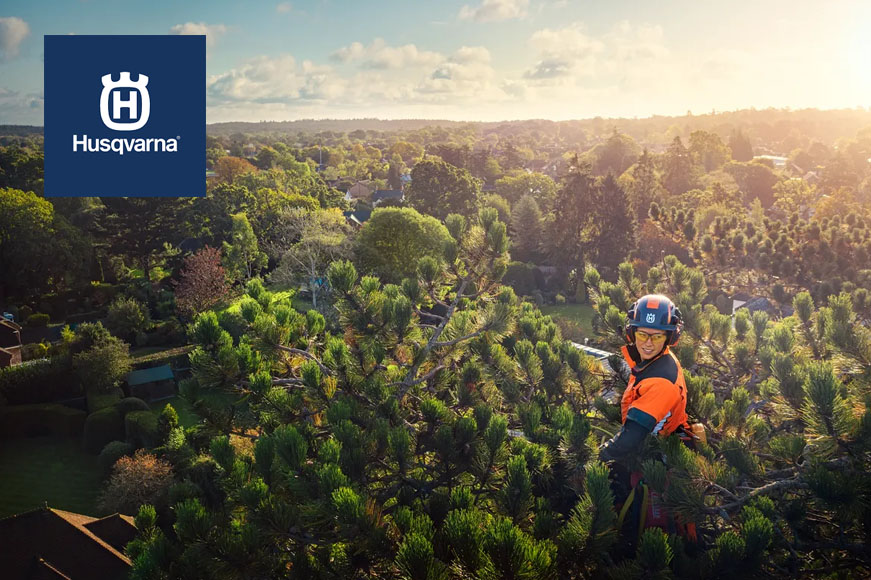
Husqvarna’s Sustainability Approach – What It Means for Garden Machinery
Sustainability has become an essential consideration in outdoor power equipment. Husqvarna places environmental responsibility at the centre of its product development and corporate strategy. Their sustainability approach reflects a commitment to reducing environmental impact, improving working conditions, and supporting communities.
This article outlines the key elements of that approach and what it means for UK gardeners and professionals choosing garden machinery.
Focus on Environmental Responsibility
Husqvarna’s sustainability efforts are built around managing environmental impact across the product lifecycle. This includes reducing energy use, lowering emissions, and prioritising materials that are recyclable or sourced responsibly.
For example, the shift toward battery-powered tools supports reduced emissions during operation. Quieter operation and lower noise levels also make battery equipment more suitable for residential areas and noise-sensitive environments.
The company works to improve fuel efficiency in petrol models as well, aiming to reduce exhaust emissions and improve overall energy performance.
Product Innovation and Circular Design
A key part of Husqvarna’s sustainability focus is innovation that enhances performance while reducing resource consumption. This includes designing products for durability and ease of maintenance, extending their useful life and reducing the need for early replacement.
The concept of circular design underlies efforts to make parts and materials easier to recycle or remanufacture. By considering the end-of-life stage from the beginning, products are better positioned to be reused and repurposed, reducing waste.
Battery technology plays a significant role here, with systems designed to be serviceable, long-lasting, and compatible across multiple tools, improving overall utility and reducing redundant battery production.
Reducing Carbon Footprint and Energy Use
Husqvarna sets goals to reduce carbon emissions across its operations and products. This includes optimising manufacturing processes and increasing the use of renewable energy sources in production facilities.
For users, selecting equipment with lower emissions contributes to a smaller carbon footprint during use. Battery tools, in particular, support this by eliminating exhaust emissions entirely.
The broader objective is to align with global efforts to address climate change by prioritising energy efficiency and cleaner operation.
Social and Community Commitments
Sustainability is not only about environmental performance. Husqvarna also emphasises the importance of ethical business practices, fair working conditions and safe workplaces throughout its supply chain.
This includes support for local communities and investment in social programs that improve quality of life and promote responsible business conduct.
For customers, this means choosing products from a manufacturer that takes a holistic view of sustainability, encompassing both environmental impact and social responsibility.
What This Means for UK Users
UK gardeners and professionals benefit from machinery designed with sustainability in mind in several ways:
-
Lower emissions and quieter operation in battery models
-
Longer product lifespans through durable design
-
Reduced waste through recyclable components
-
Support for ethical manufacturing practices
-
Reduced noise impact in residential environments
As sustainability becomes a priority for more customers, understanding how major brands approach environmental and social responsibility helps guide better purchasing decisions.
Frequently Asked Questions
How does Husqvarna reduce environmental impact?
Husqvarna focuses on lower emissions, energy efficiency, recyclable design and fuel-efficient products across its range.
Are battery tools more sustainable than petrol?
Battery tools produce no exhaust emissions during operation and generally require less maintenance, contributing to reduced environmental impact.
Does sustainability affect performance?
Sustainability efforts aim to improve performance while lowering environmental impact. Innovations in battery and fuel technologies strive to maintain strong working capabilities.
Why is circular design important?
Circular design emphasises longevity and recyclability, reducing waste and encouraging reuse of materials at the end of a product’s life.
Does sustainability matter for professional users?
Yes. Professionals who use equipment frequently benefit from lower operating emissions, quieter operation, and longer-lasting tools.
Final Thoughts
Husqvarna’s sustainability approach reflects the growing importance of environmental and social responsibility in outdoor power equipment. By integrating sustainability into product design, performance and corporate strategy, manufacturers can offer tools that meet the needs of users while reducing environmental impact.
For gardeners and professionals in the UK, choosing machinery designed with sustainability in mind supports quieter operation, fewer emissions and longer product life — all of which contribute to a more responsible approach to outdoor work.
At Gayways Ltd, we recognise the value of sustainability and aim to help customers make informed choices about the tools they use based on performance, durability and environmental impact.
- Gayways Ltd
- 213-217 Watford Road
- Harrow
- Middlesex
- London
- HA1 3UA
- 020 8908 4744
- Mon- Sat 9.00 - 5pm (Sat Close at 2pm)
- hello@gaywaysltd.co.uk
- View on map
© 2001 - 2026 Gayways LTD. Powered by CS-Cart and premium theme — © AB: UniTheme2
